Children 3 to 5 Years
Early Learning Center
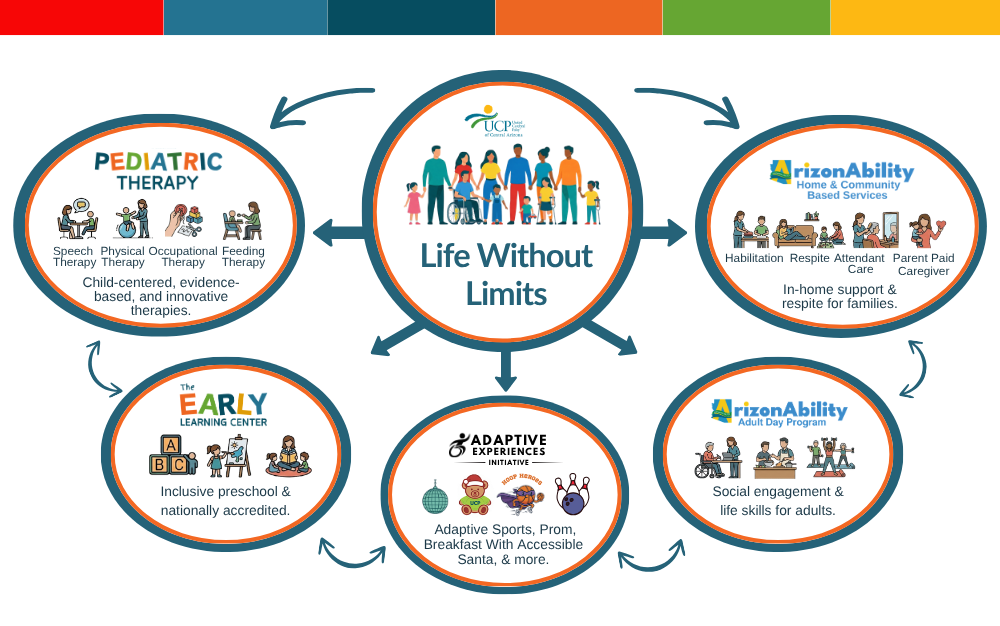
High quality learning environment for children with & without disabilities.

Infants to Pre-Teens
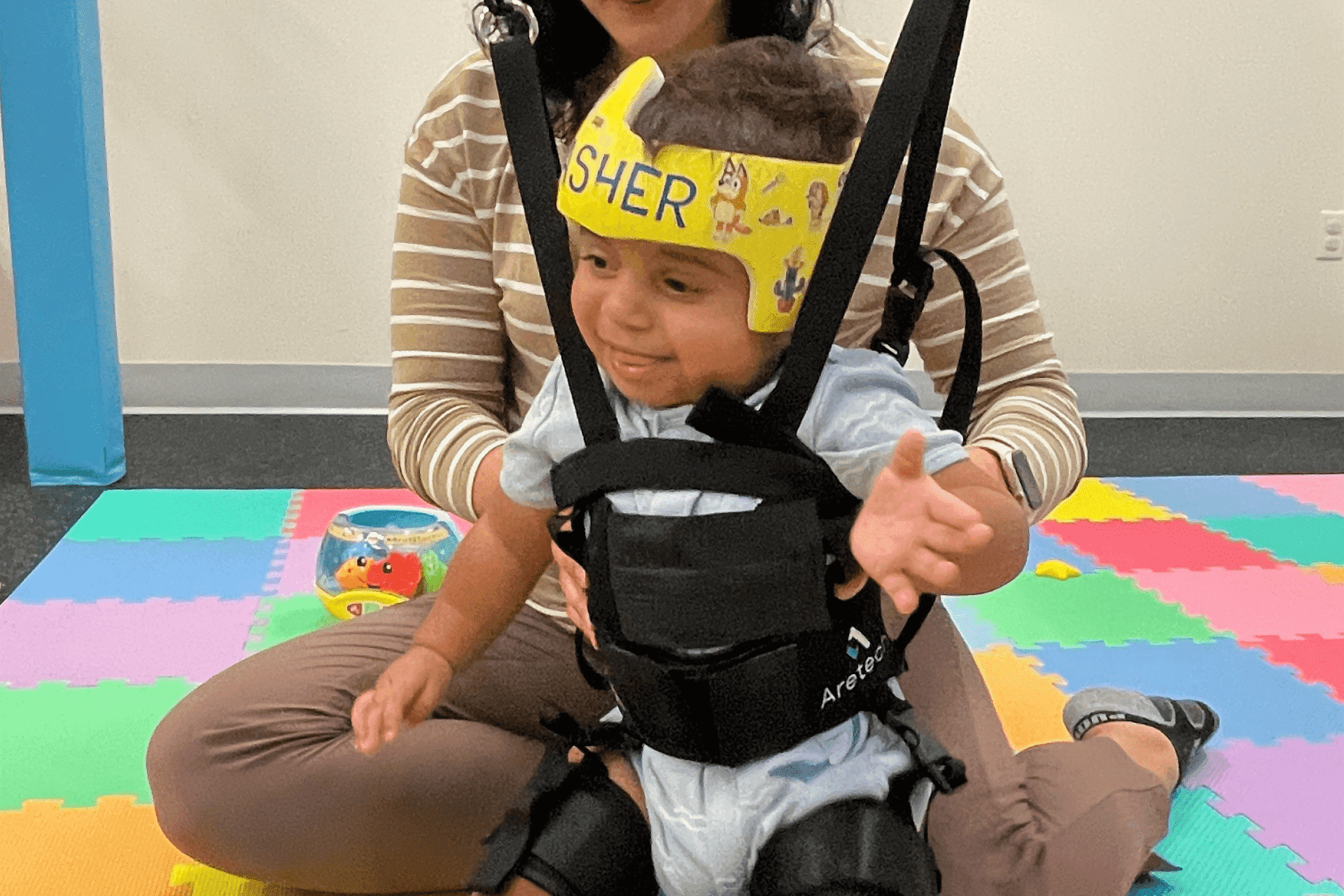
Therapy Services
Our therapy clinic has programs for children with cerebral palsy and other disabilities.
For Children and Adults
HCBS Services
Provides attendant care, habilitation, & respite in the member’s home or community.
Training and Support
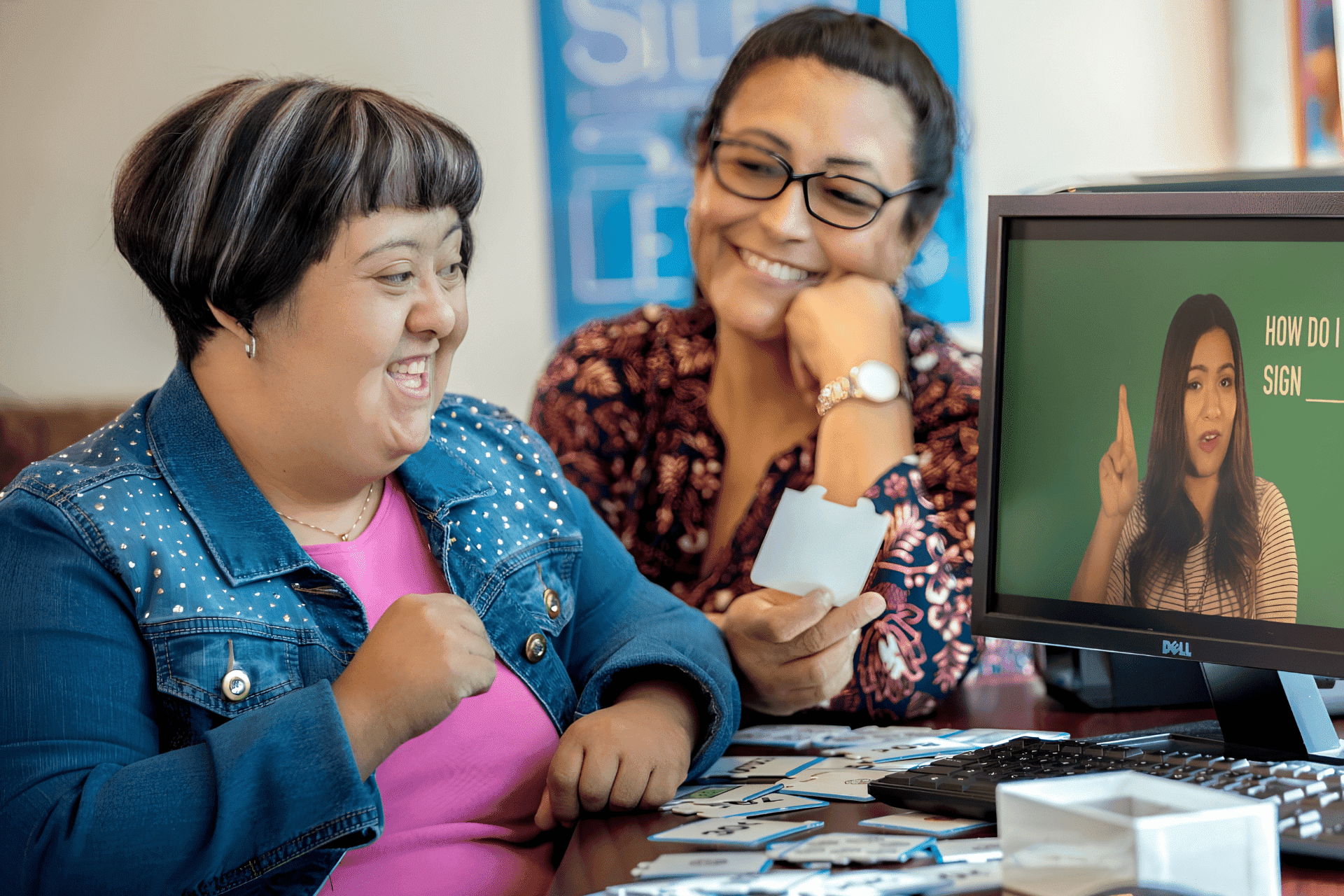
Adult Day Program
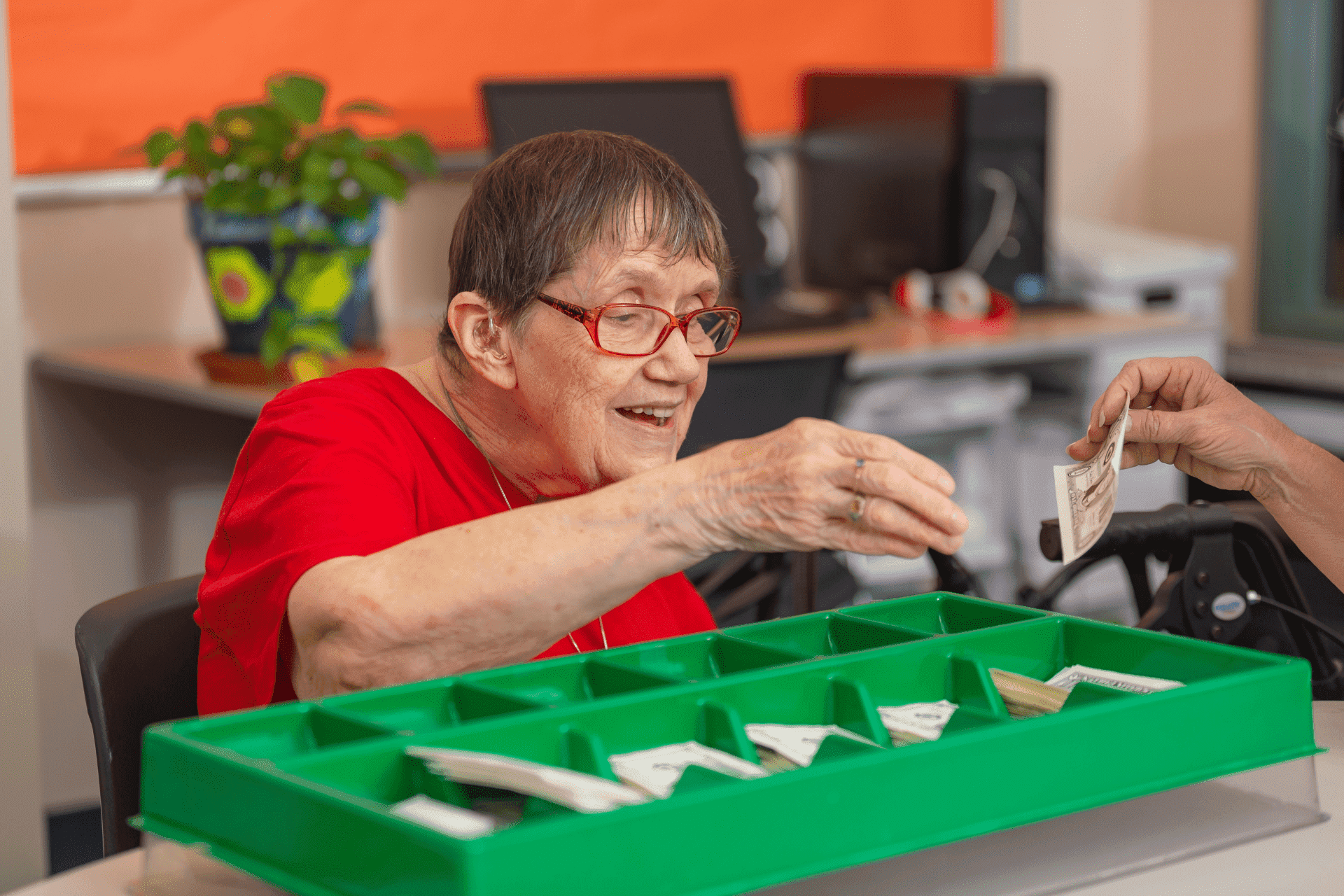
Services for adults with disabilities focusing on skill-building, and community engagement.
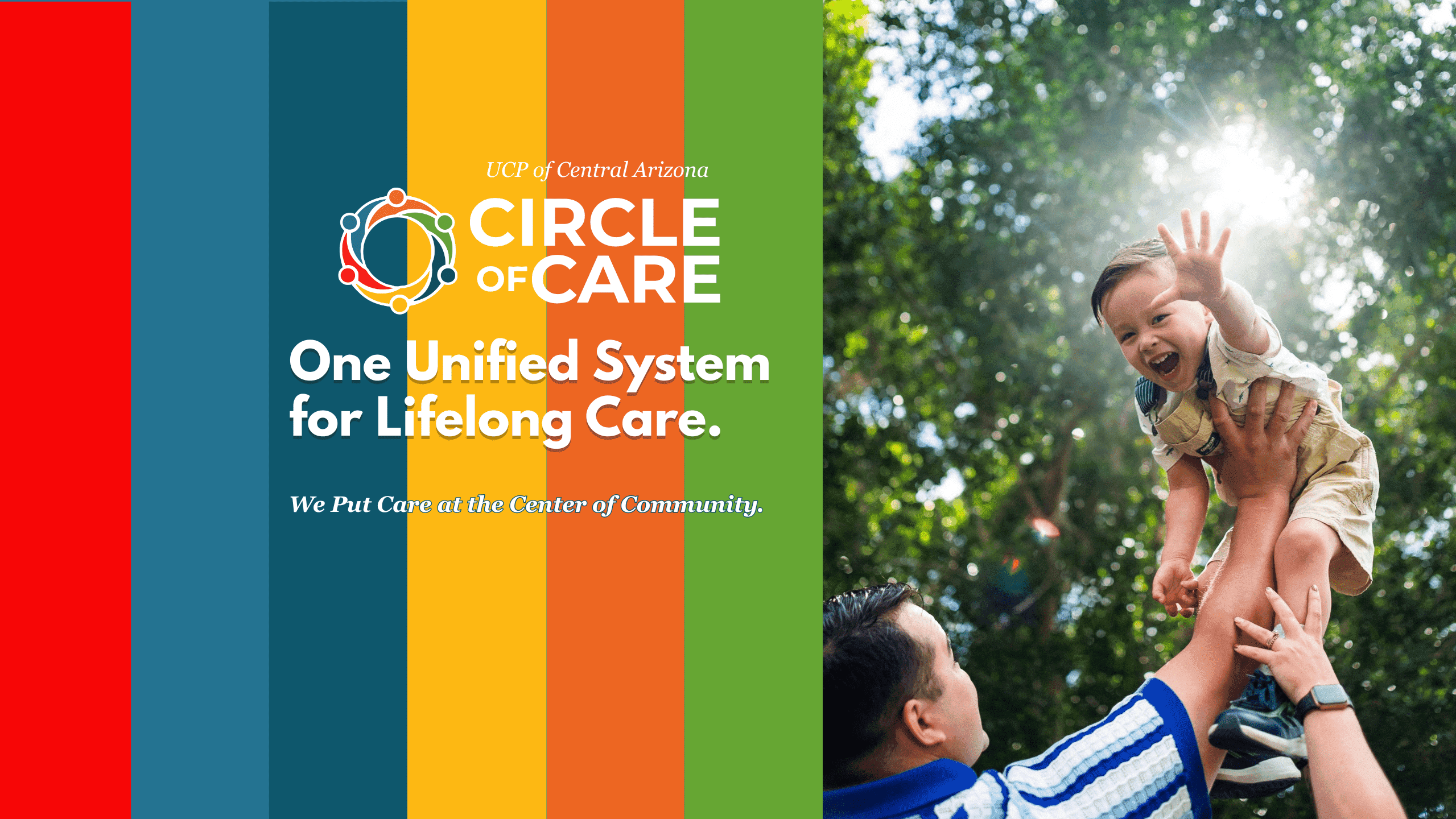
Care at the Center of Community.
The Circle of Care is the permanent infrastructure that connects every stage of your journey into a single, navigable experience. This unified system ensures your family never has to start over as you move through our therapy, education, and lifelong support services. We have removed the friction of shifting between programs by providing an unbroken continuum of care where every expert stays aligned with your goals. Our synchronized approach ensures that progress in the clinic becomes success in the classroom and stability at home. We do not just provide services; we maintain a constant thread of expertise that follows your family through every breakthrough.
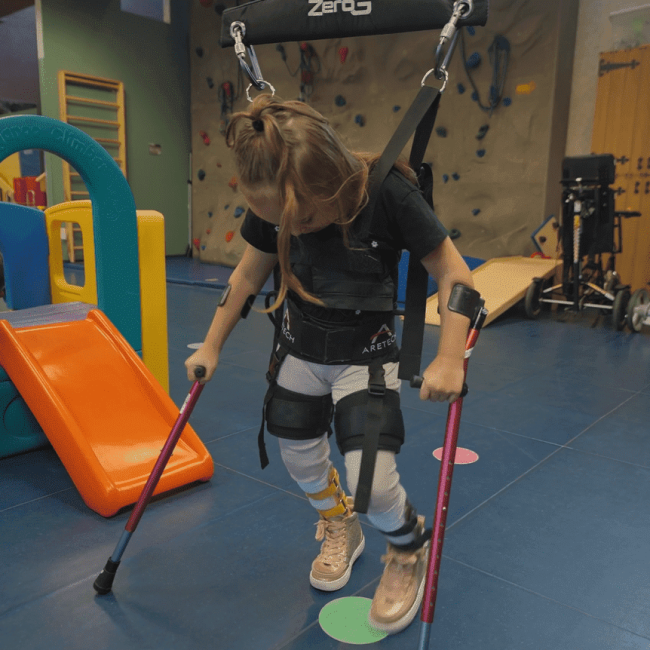
Specialized pediatric therapy and advanced clinical robotics in Arizona.
We engineer certainty. By fusing interdisciplinary PT, OT, and SLP with advanced Aretech ZeroG and BabyG robotics, we provide an unmatched clinical density and technological standard found almost nowhere else in the Southwest. This is outcome-driven care designed for permanence.
Discovery Academy: A premium preschool standard for North Phoenix.
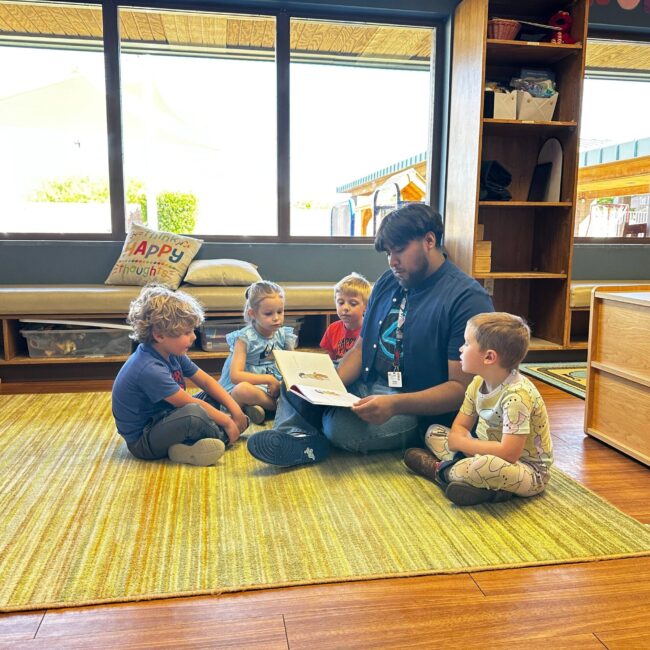
Early education is the first major step in a lifelong journey of belonging. As a nationally accredited premium preschool for ages 3 to 5, Discovery Academy sets the absolute highest standard in Arizona. We provide a high-value, play-based environment where every child gains an early advantage through our Four Wonders of Discovery.
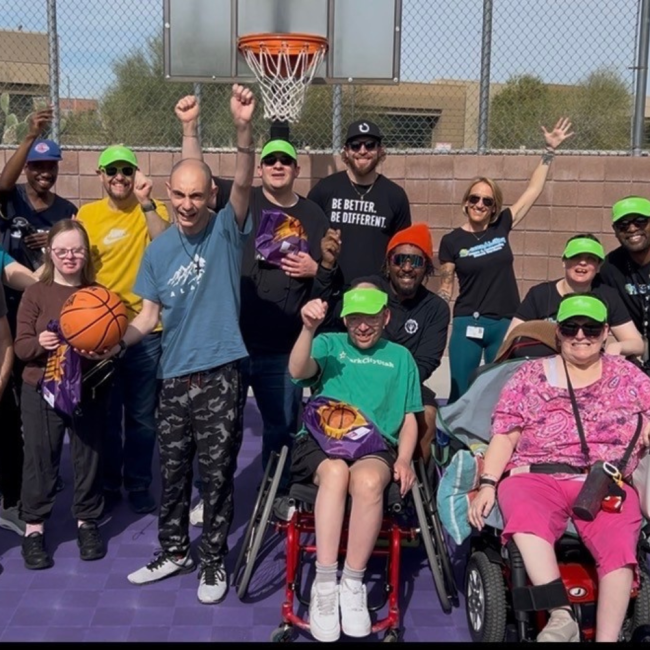
Permanent infrastructure for adult day programs and community belonging.
Growing up should not mean growing out of a support system. We provide the permanent infrastructure necessary for adults to maintain an active, visible presence in the community with absolute dignity. Our ArizonAbility programs are designed for lifelong integration, ensuring that every individual has the support they need to participate, contribute, and belong. The synchronized transition. The Circle of Care ensures that the transition into adulthood is not a leap into the unknown. Because our adult programs are synchronized with our clinical and educational departments, we maintain a constant thread of expertise that follows your family. We ensure that the progress made in earlier stages of life is stabilized and celebrated through adulthood.
Our 41 Year Partnership With Circle K
FUELING HOPE FOR ARIZONA FAMILIES
Look for our donation box at Circle K stores in Arizona.
Thank you to our generous corporate partners
Our Partners and Sponsors